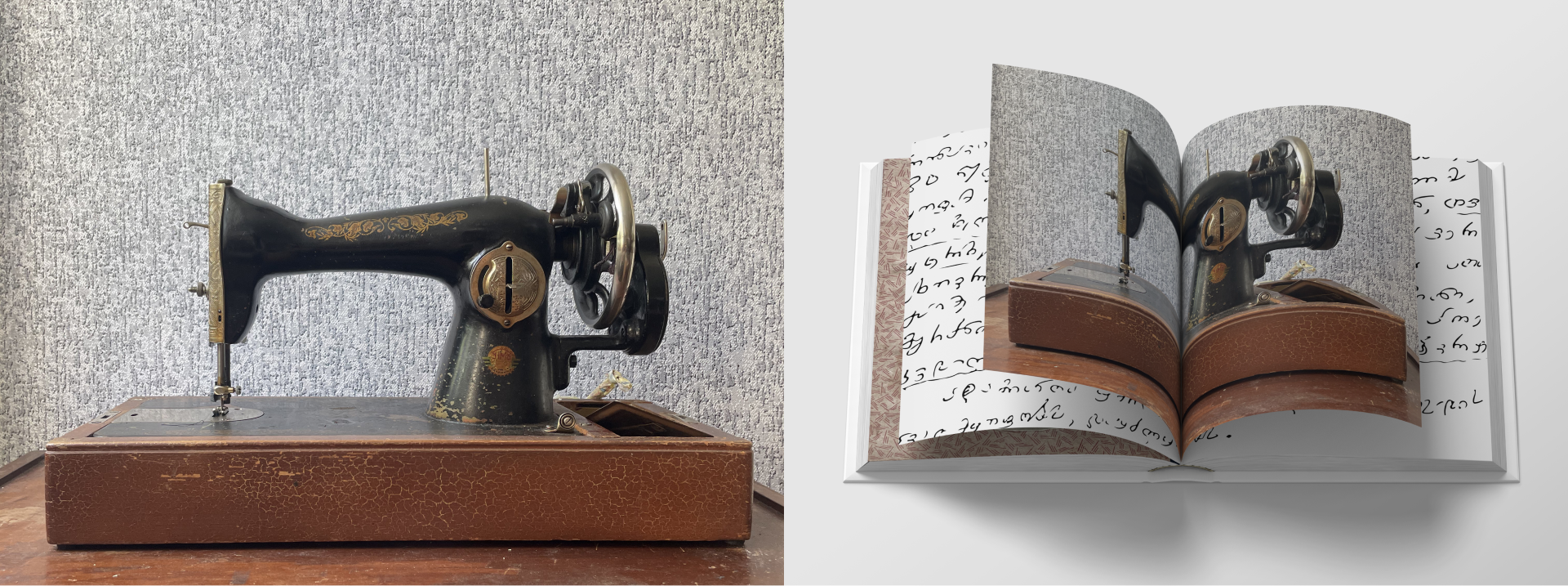
Who Are You?
Dedicated to Grandma Leila (1934–2023) and to everyone who forgets. This project is an author's book based on dementia, inspired by my grandmother. Dementia causes slow loss of memory and abilities. My work shows this illness through memories, notes and photos, focusing not on the medical part, but on the human, emotional side behind it. I explore dementia through its symptoms: forgetting, confusion, repetition, loss of time and identity.
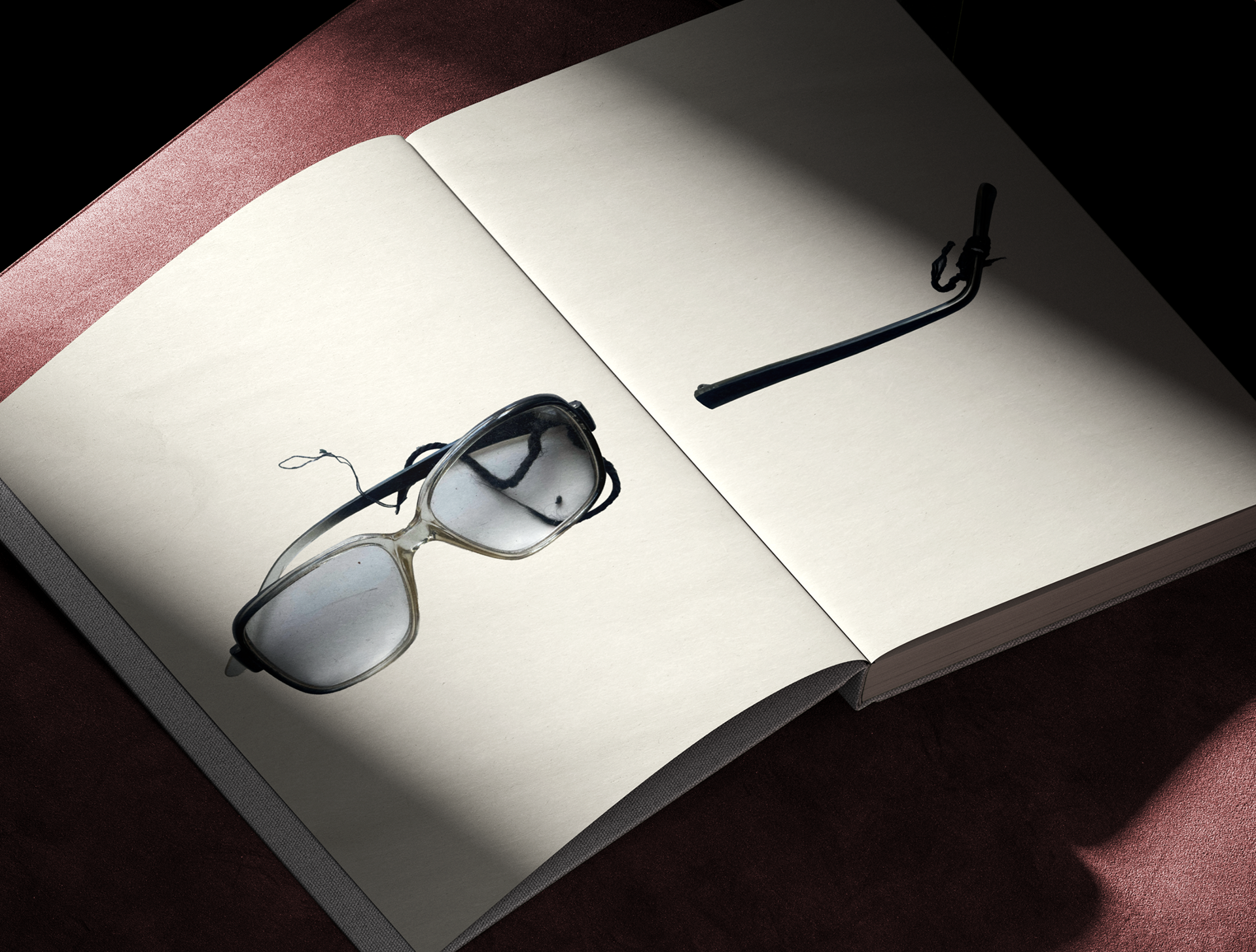
My book shows how design can deliver emotion and experience, how visuals speak more than words. I want to reveal the hidden side of dementia through images, texts, visuals and pages. Each page is a frame from that journey. Through design and storytelling, as a designer, I want to show the emotional journey and create visual that gives you emotion.
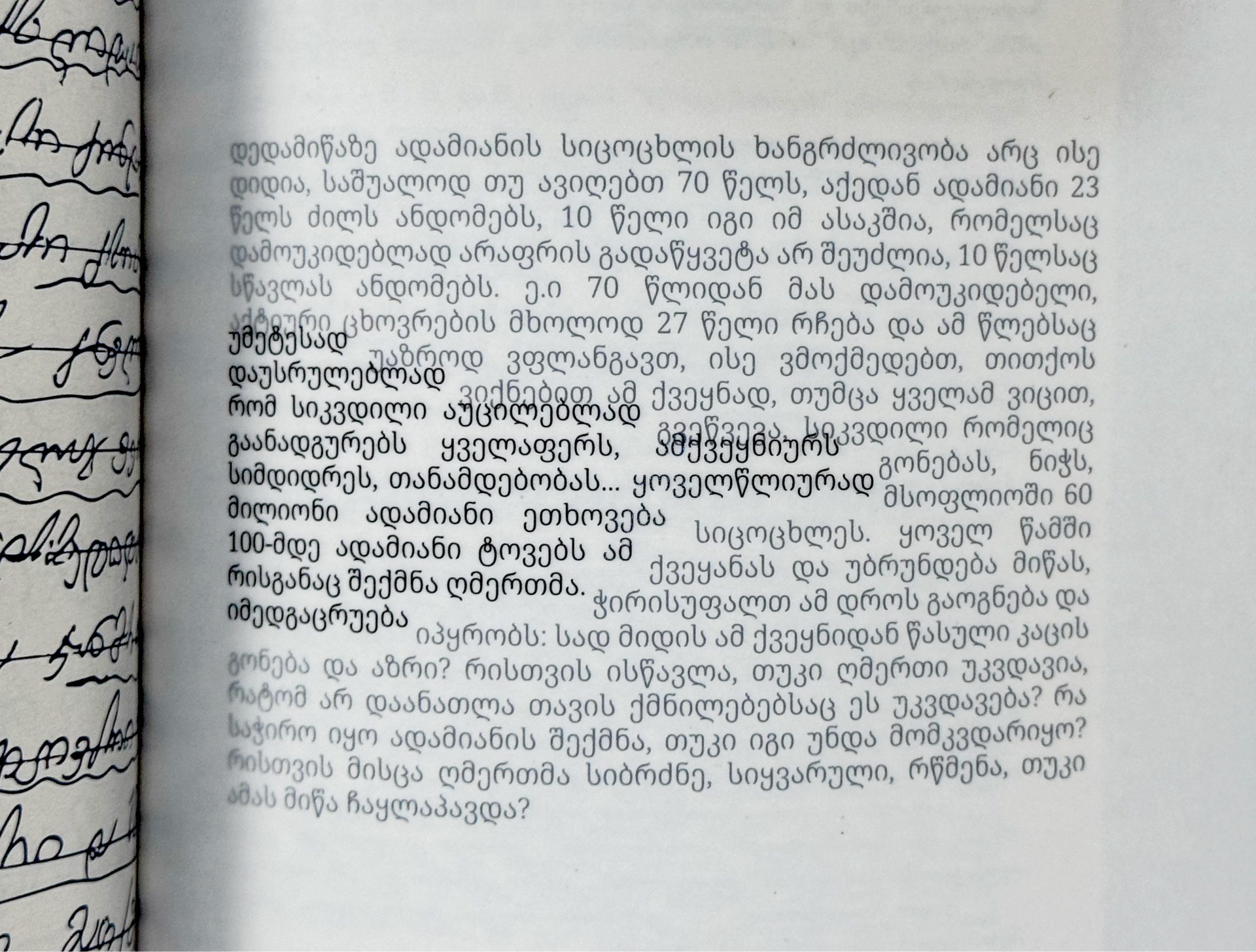
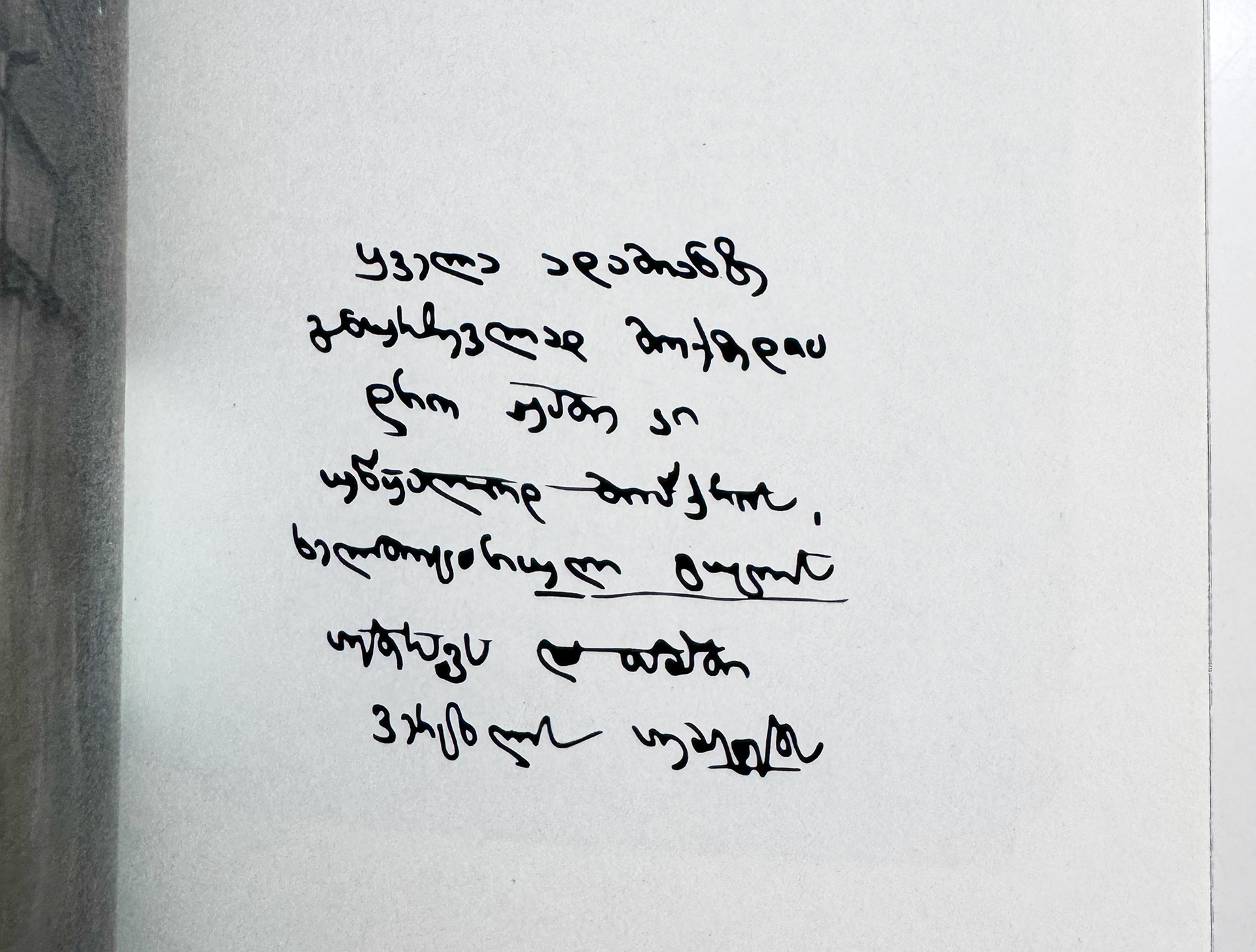
The project is more like a memory album than a traditional textbook. Each spread represents a symptom or feeling. Typography, photography and layout communicate confusion, fading memory and identity shift.
The storyline follows symptoms, forgetting, repeating, communication problems, loss of time sense, etc. Each symptom has a visual spread showing how it feels. Every quote or text piece is taken from my grandmother's diaries. My role is to visually process them. I mix different materials: color, typography, shapes, and calm pages with soft paper. Chaos and peace appear side by side, like how dementia changes from one moment to another. One special material is transparent paper. It makes reading harder, like how communication becomes harder for people with dementia. If you turn the page, sometimes text becomes clearer, like moments when the mind clears for a short time.
I use photos of my grandmother's house, each photo is like a memory. Photos and notes together create the emotional base of the project.
The entire book breaks traditional rules, cover, pagination, structure. The reader will feel a little lost and confused, like a person with dementia.
While working on this project I understood that dementia is a shared story for many. In this work, language is not what speaks the loudest. design, visuals and emotion do. The book communicates universally, even without being read traditionally.
The first time I showed the book to a stranger, they told me they had gone through the same journey with dementia. I noticed tears in their eyes and at that moment, I realized I had created something that truly mattered. Seeing the first printed copy, became one of the most meaningful moments of my life.
My project is an honest attempt to show the unspoken side of dementia, through visuals and personal story. I want people who know this pain to see it from another angle, and others to understand what it means to lose memory and self. The book is not just about documenting dementia, it is about feeling it. It connects visible and invisible, remembered and forgotten.
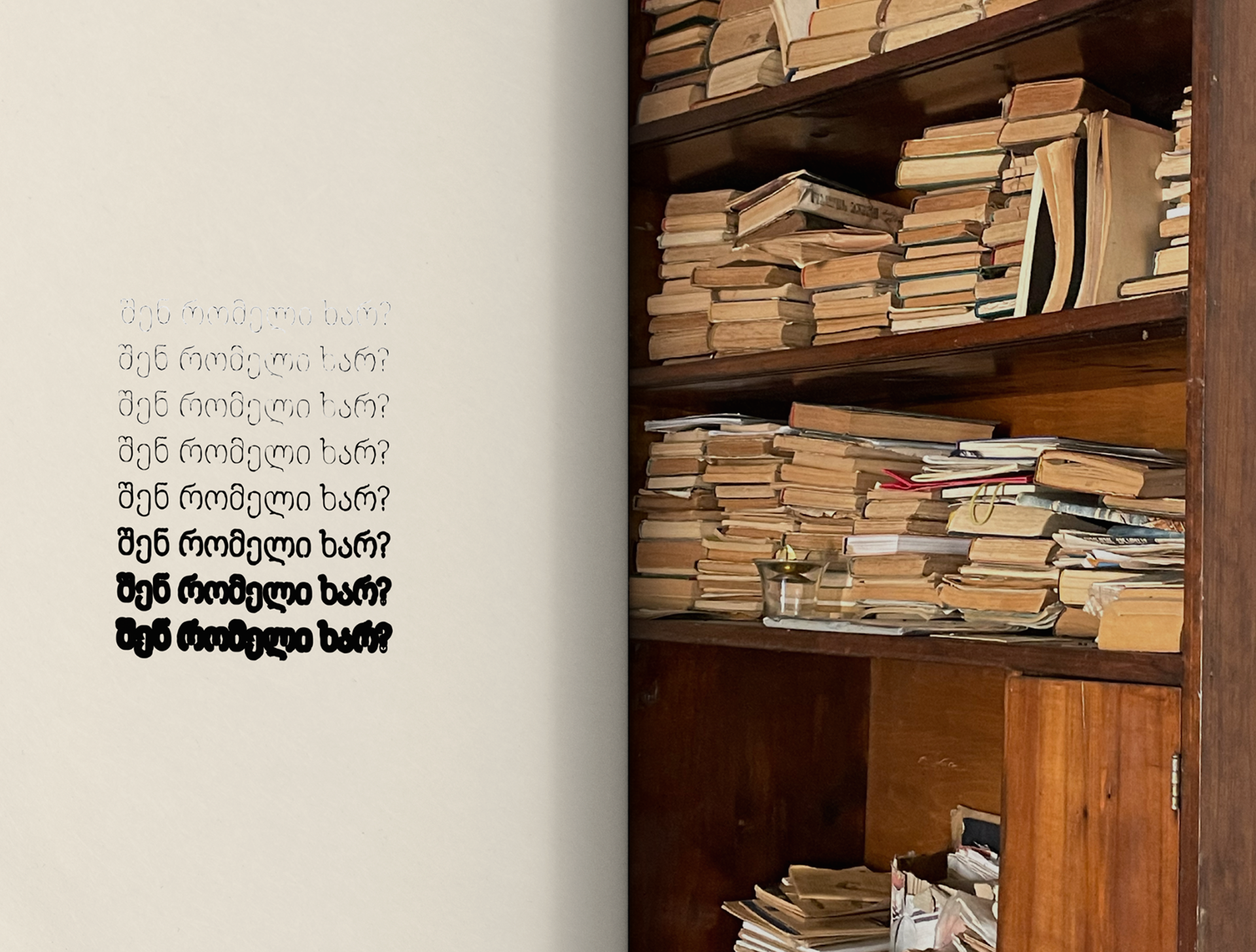
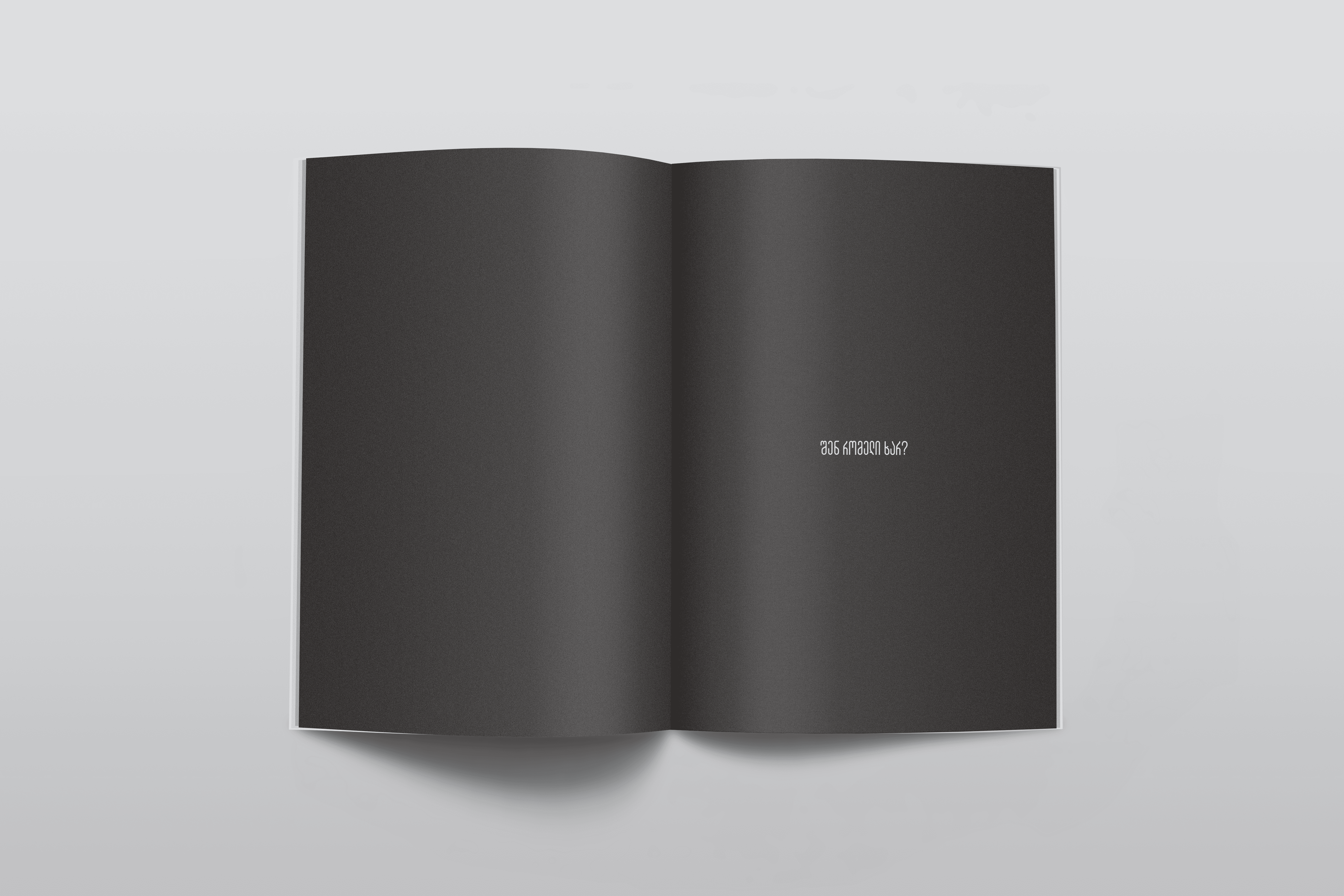
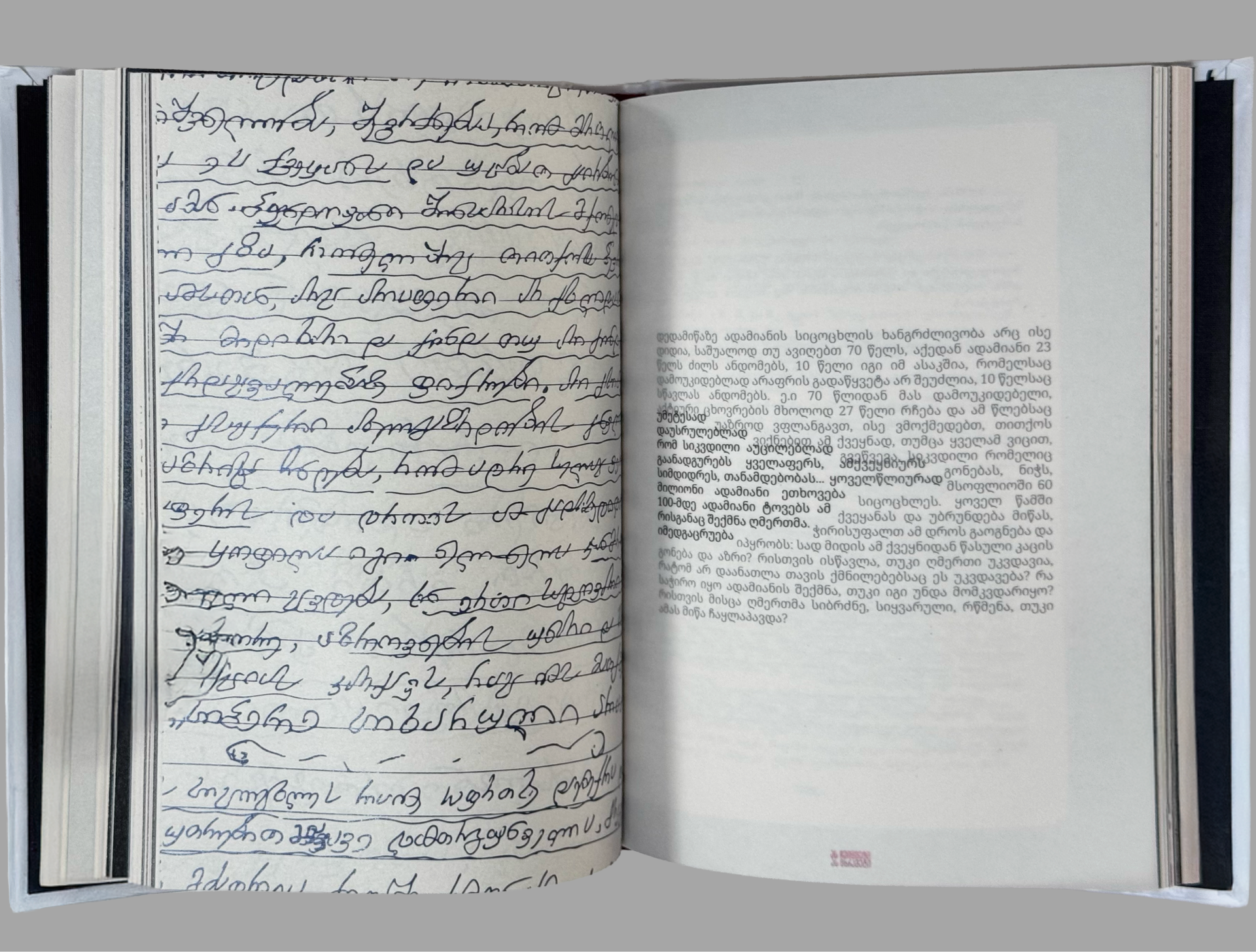
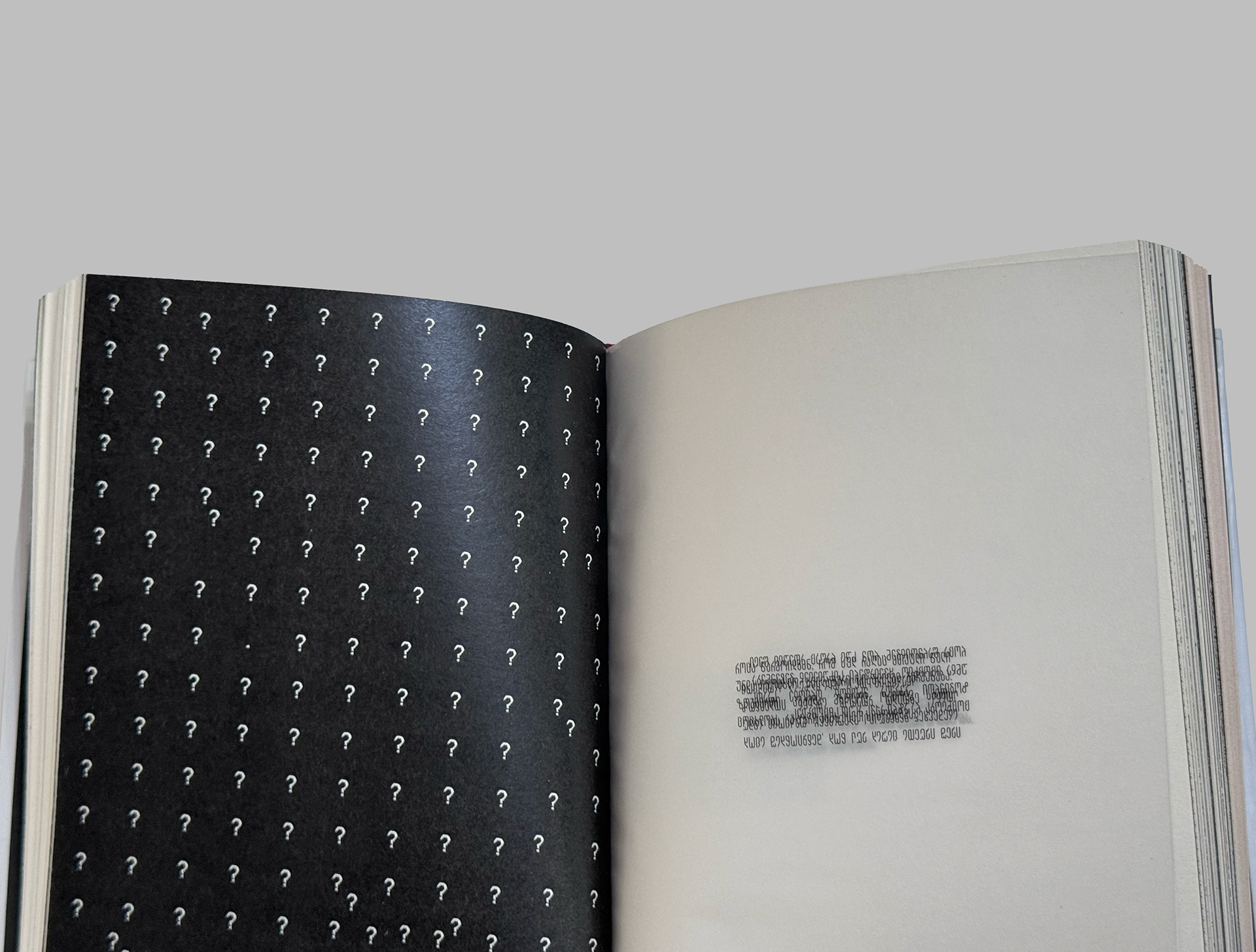
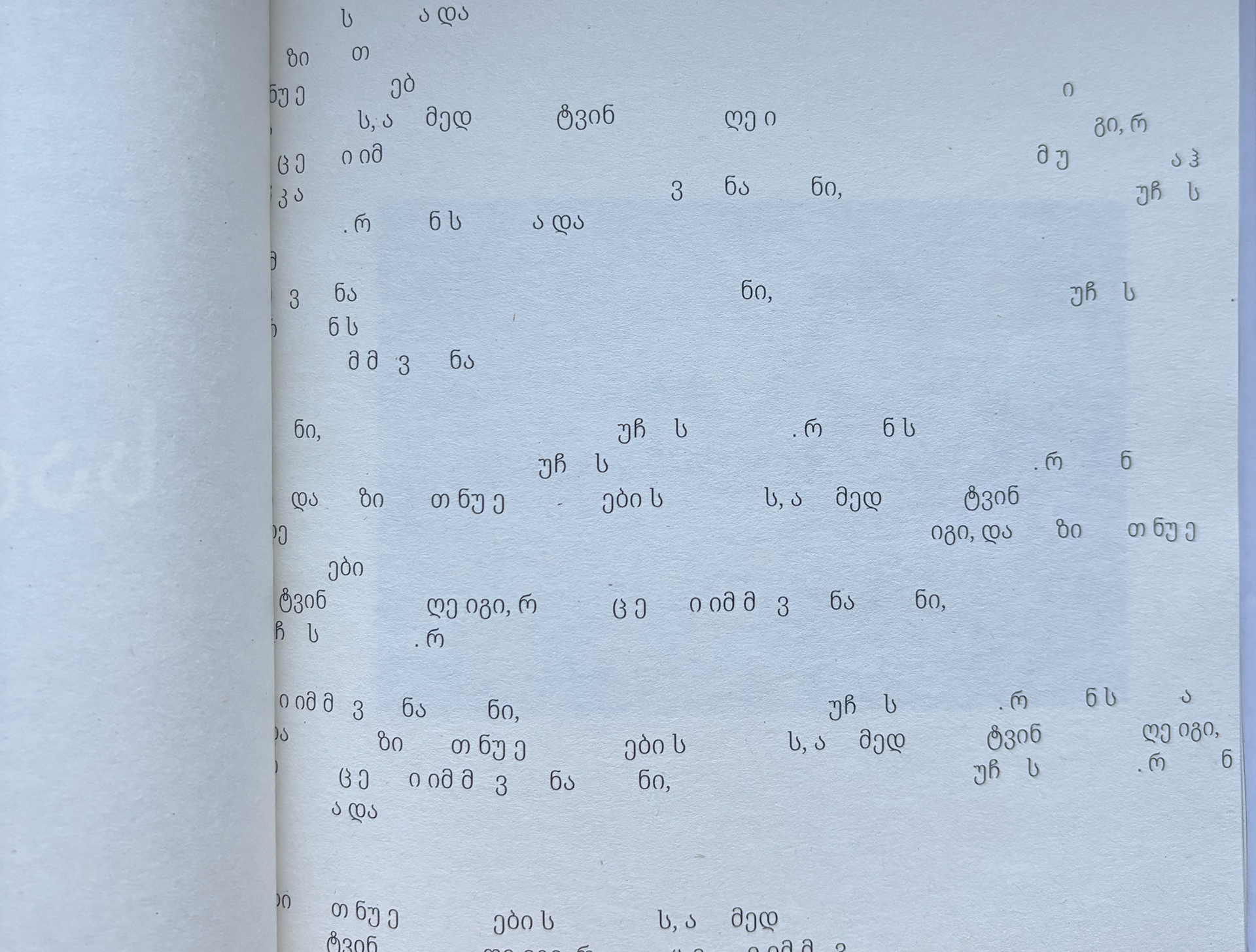
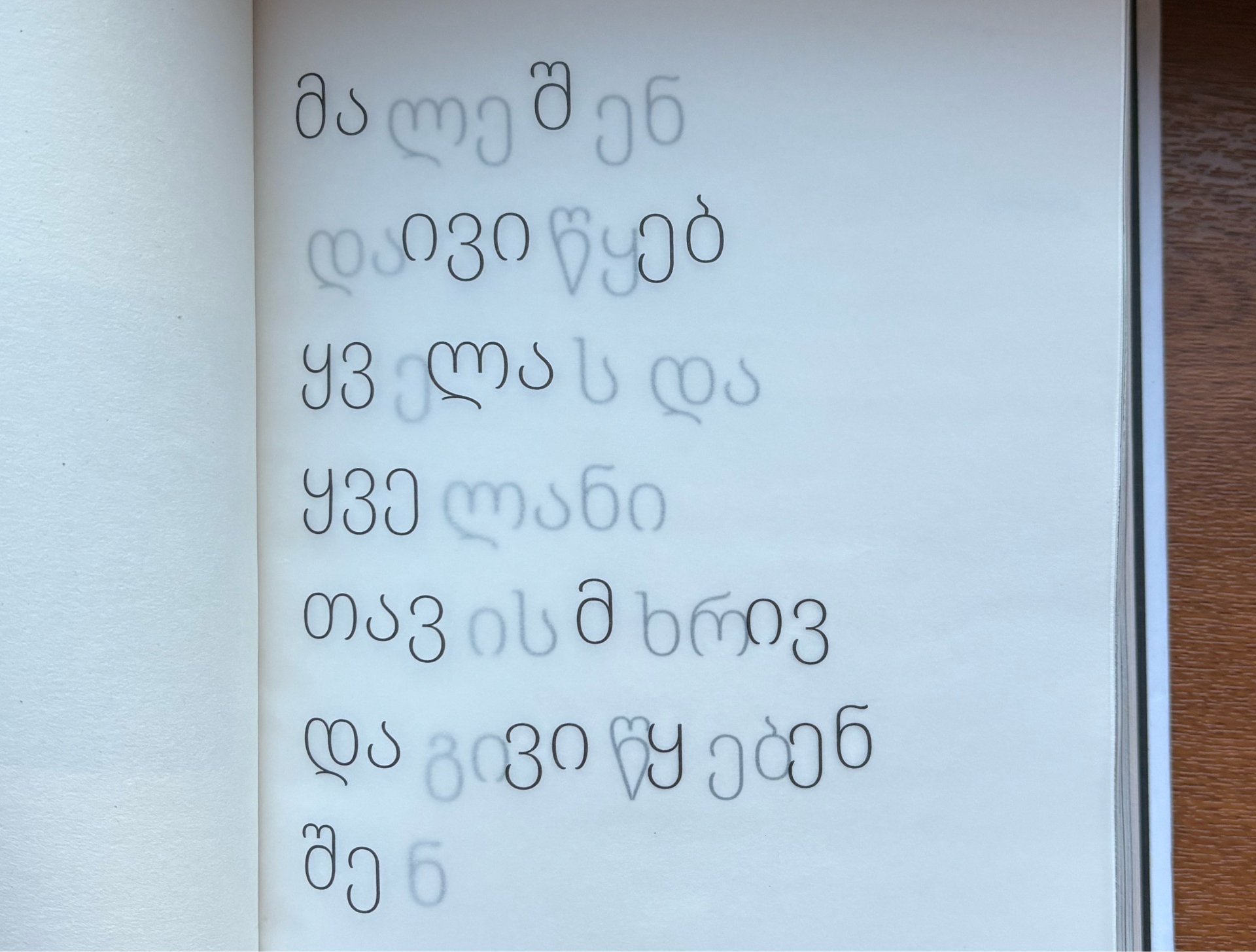
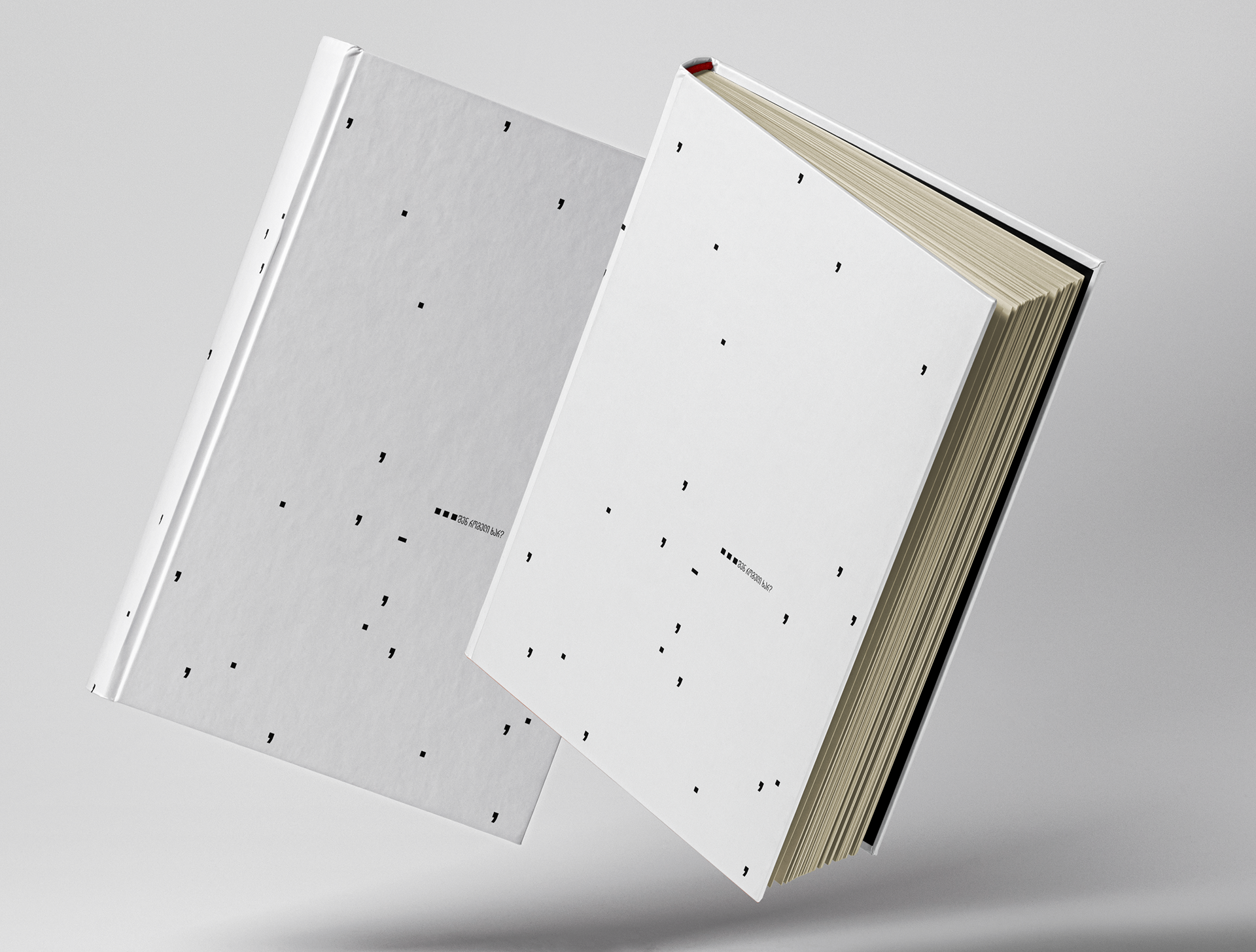
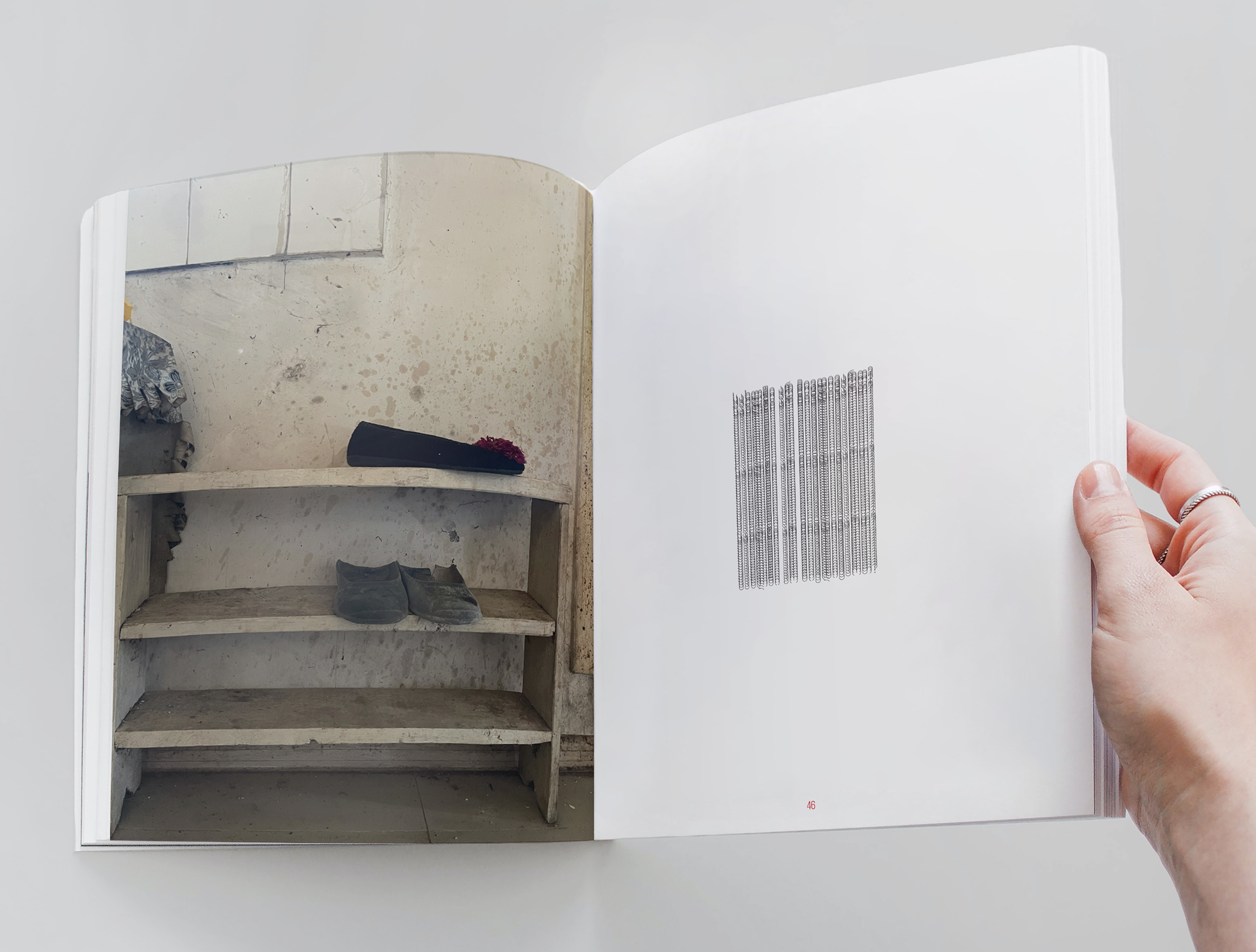
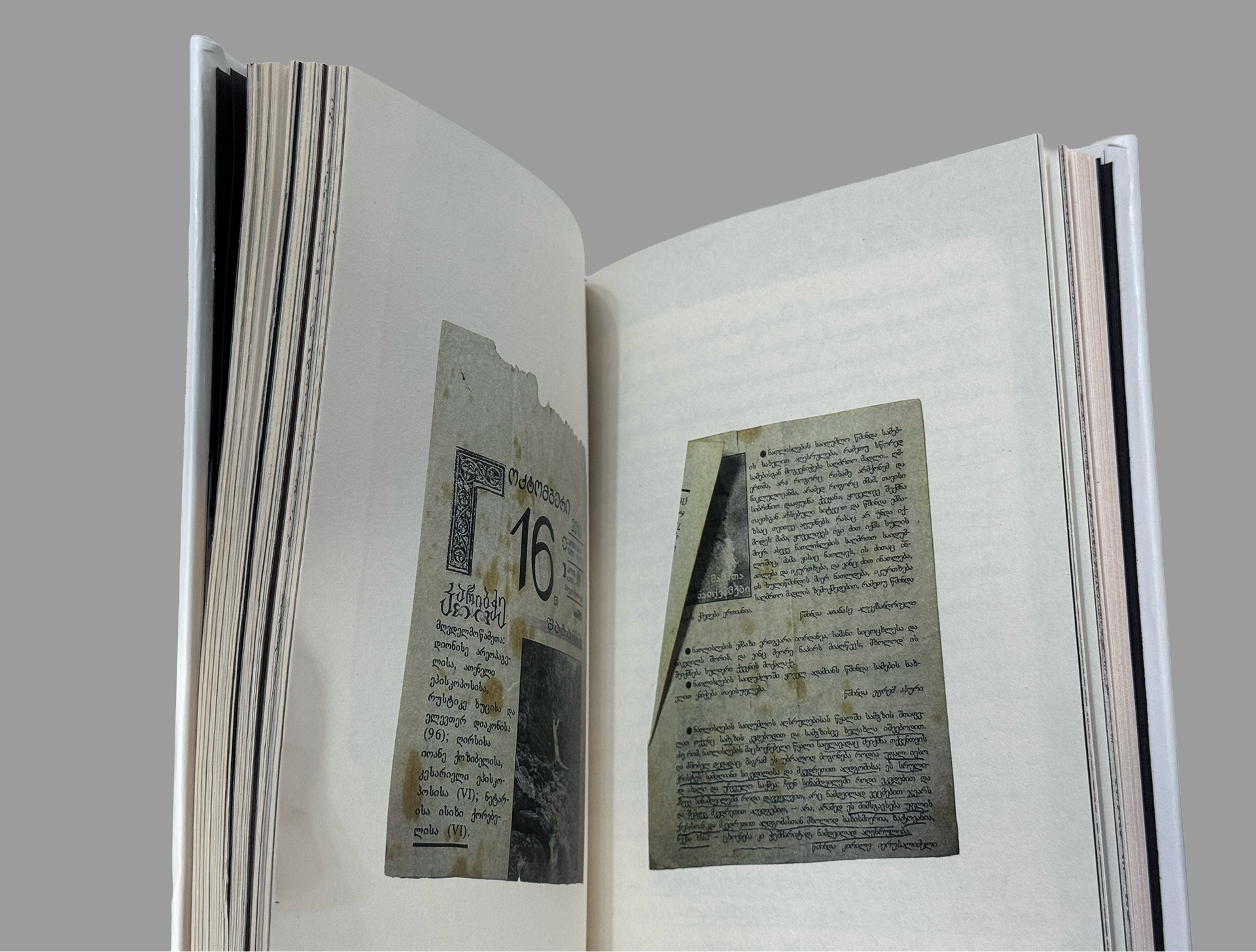
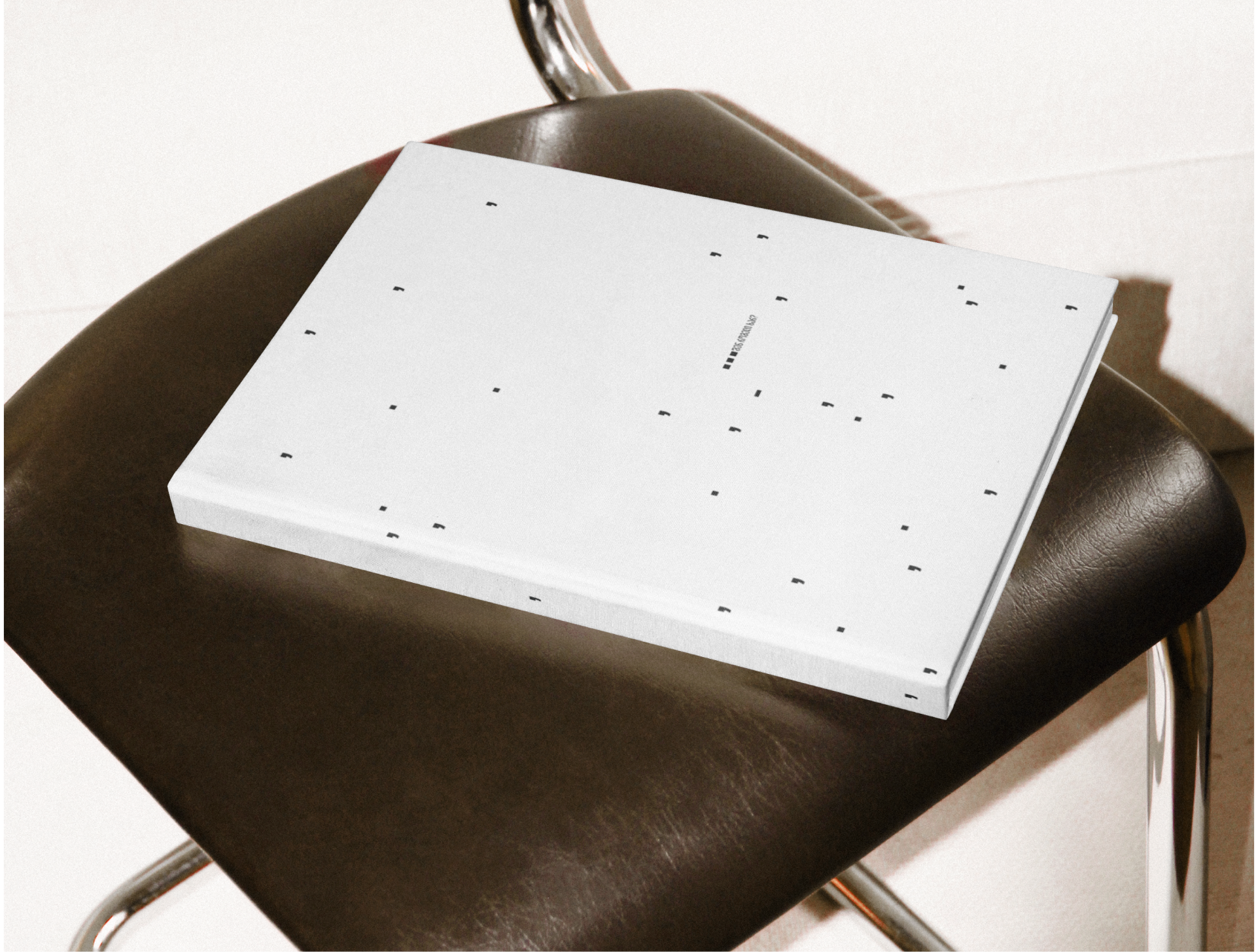
The table of contents is vertical and slowly fades downward, symbolizing memory loss. The cover also breaks rules, punctuation marks are placed like a main element instead of the title. This shows how simple things can become important in dementia, and logic gets reversed.
Page numbers also become part of the story. I didn't want normal numbering. Each chapter/symptom has its own kind of pagination:
- Forgetting → numbers fade
- Repetition → same number repeats
- Disorientation → numbers in random places
- Communication issues → written in words instead of numbers
- Loss → no page numbers
- Time loss → strange/illogical numbers